The year begins for me with the squeak of icy natural leather and steeds puffing white breath airborne, and it winds through mud, wildflowers, dust, and mica-bright frost. I mark time by shedding coverings, by shaggy layers smoothing to summer season gloss, by the first day the sector footing seems like brownish sugar again after hefty rainfall. The job modifications with the seasons too. Somatic healing with horses is not one static procedure. It is a practice that solutions to the ground underfoot, to herd power, to the selves our clients generate January and in July.
People frequently get here distressed, overstimulated, or detached from their bodies. They leave, more often than not, a bit steadier. Some come looking for equine-assisted activities to develop motor planning or social abilities, others for equine-facilitated wellness after exhaustion, and groups arrive wanting to see each other in new methods through team building with horses. What looks like a leading workout or a grooming routine is likewise a conversation about borders, co-regulation, and timing. Horses are sincere partners, and the calendar is a co-facilitator. If we pay attention, both will tell us what to do next.
What horses instruct about regulation
Before we stray through the schedule, it aids to understand why equines belong in the area when we speak about nervous systems. As target animals, horses live by reviewing refined shifts in stance, tension, breath, and intent. They discover the hand that tightens up ever so somewhat prior to a pull, the eye that gazes past them as opposed to toward them, the person that holds their own breath. This is not necromancy, just extremely great pattern recognition in a 1,000-pound anxious system.
When we exercise restorative horsemanship, we invite clients into that comments loop. A teenager with ADHD finds out that if he barrels into the horse's space with scattered focus, the gelding will move away. When he softens his knees, feels his feet, and looks where he wishes to go, the equine adheres to. A manager in an equine-assisted mentoring session uncovers that a mare that neglected her requests begins strolling the minute her voice and step suit, positive yet not aggressive. An adult with persistent stress and anxiety attempts leading with a loosened line and notices the horse drift. A tiny correction in her breathing and shoulders and the equine aligns like a magnet searching for north. None of this can be scripted in a seminar room.
The work is somatic since it is grounded in bodies. We make use of touch, motion, rhythm, and breath alongside reflective conversation, not as attachments yet as main tools. This is why the periods issue. Warmth, chilly, wind, and light shape bodies and actions, human and equine.
Spring: reawakening, pacing, and authorization to be new
Spring reveals itself in hair. We curry wintertime layers into soft hillsides at the equines' feet and gather fixed shocks in the process. The ground thinks about thawing, then refreezes overnight. Every little thing remains in transition, consisting of attention periods. Clients often get here large and restless after months inside, anxious to run prior to walking.
I like to utilize this awkward period to practice pacing. In equine-assisted services that focus on stress and anxiety assistance with steeds, we could spend an entire session on how to come close to grooming when both horse and human are a little itchy in their own skins. We discuss significant pauses. We observe how a draft cross sighs when you slow your wrist instead of rubbing. Then we have fun with relocating from stillness to activity, asking a peaceful stroll, after that halting, then taking a breath once more, instructing micro-gear shifts.
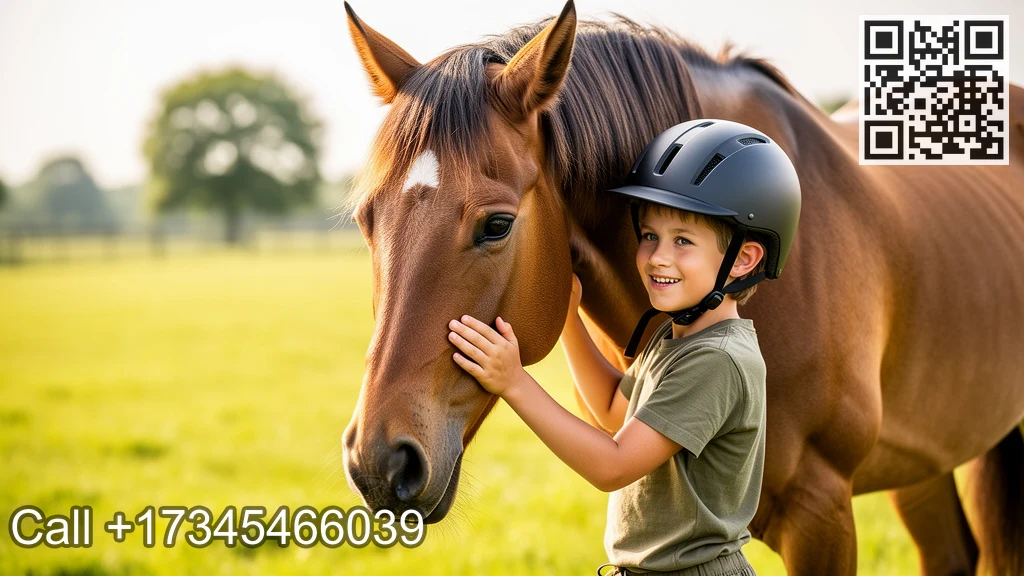
For youngsters in an autism equine discovering program, spring is abundant region for sensory expedition. The rasp of dropping blades, the tickle of loose hair on forearms, the heat under the mane where the sun has not gotten to, all of it can be catalogued without judgment. We model options: try the jelly curry, or miss the belly if that is way too much today. A young boy who flinched at the metal brush in March might, by late April, endure it for a couple of swipes if he regulates the pace and swaps to a softer mitt when he asks. That is Alternate treatment for sensory challenges in action, not a magic repair yet a discussed truce.
We also review borders. In sloppy periods, steeds can be crankier concerning feet managing, and people can be less grounded on slick surfaces. We scale the ask to the footing. If a mare is bothered with sliding, we switch from arena bring about pasture walking on the ridgeline where it drains pipes better. If wind rattles the doors on a gusty day, we address that arousal prior to we request for focused work. In some cases this implies beginning with a stroll along the fenceline to let everyone check and resolve, including the equine. Somatic work appreciates the nerves's pecking order: security first, connection 2nd, discovering third.
Spring shows up in team programs too. For experiential understanding with steeds, I like a job that discloses assumptions. Location 3 cones in a zigzag and ask a group to move two equines via the path without touching the lead ropes. Watch exactly how they plan, exactly how they adjust when the gelding determines the middle cone is a scraping blog post. Debrief not just what they did, however just how their energy rose and fell with each other. A group that begins the period believing speed equals effectiveness frequently leaves appreciating one colleague's patience when he awaits the mare to stop sniffing before he asks her to step. Timing like that is leadership.
Summer: capability, clearness, and the technique of rest
By June, layers radiate and the sector bakes. Flies test everyone's state of mind. We move to early mornings and evenings to extra joints and tempers. Sessions reduce a touch, or they consist of integrated air conditioning breaks. Summertime asks questions about ability and authorization, themes that convert straight to day-to-day life.
On warm days, a customer learning ADHD equine finding out assistance techniques could exercise making clean, easy requests. Quality saves power. Rather than a string of words and motions, we shape: stand with your toes at the shoulder, inhale, step, exhale, stop. The equine appreciates it. So does the client, that discovers that a clear cue saves interest and lowers rework. If emphasis wobbles, we use the warmth as an instructor. Is this a body requesting for color and water, not more initiative? We stabilize the check. Many people with ADHD are made use of to requiring via exhaustion. Viewing an equine plant himself under the only tree and flick a check https://andresaqhq827.fotosdefrases.com/focus-at-work-adhd-support-through-equine-discovering out the fly mask is a tip that smart beings take care of stimuli as component of performance, not as the enemy of it.
Summer is also an exceptional time for equine-assisted coaching with leaders and teams. Outside room enables larger analytic activities. One favored usages barrels and poles to build a pathway that a loosened equine will certainly choose to stroll. It appears like play, and it is, but it highlights influence without control. A group could invest twenty minutes confining alternatives and after that recognize that the steed adheres to the person that strolls the course with conviction instead of the one swing arms at the finish line. In a post-project debrief later on that month, a person will point out that memory when they choose to design an activity as opposed to send another reminder email.
People taking care of stress and anxiety commonly discover in summer that their nerves can downshift much faster outdoors. We take advantage of cicadas and the rhythm of unguis to practice a discreet version of box breathing that is less apparent in a group setup. Four tramps inhale, 4 hold, 4 exhale, four hold. We combine it with a tactile anchor like the lead rope's weave under the hand. Gradually, the body shops this pattern. I have actually seen customers utilize it in supermarket or on aircrafts. The horse, at the same time, reacts to the softened hand in real time, reinforcing the choice.
We talk frequently concerning authorization, especially with kids and in therapeutic horsemanship lessons. Does the steed say yes when you lift the unguis? If he leans his weight and averts, what does no resemble, and just how do you respond? Sometimes the answer is to break the task right into parts. Pick up for one 2nd, launch, appreciation, repeat. In some cases the solution is to resolve the flies that make him stomp. Occasionally it is to switch over to front feet just and take another look at back feet an additional day. Borders are common. The barn is a location where nonverbal no stands, and that message lugs far past the cross-ties.
Autumn: transitions, harvesting abilities, and releasing perfect
I enjoy the fall herd. They relocate with function, glossy layers turning deluxe, energy rising in crisp air. Individuals get here all set to start new regimens as college resumes or fiscal years reset. It is an all-natural period for refining skills and naming what job settled in the initial two quarters of the year.
In autism equine finding out programs, this might resemble a rider that began in March simply rubbing a horse's neck currently trotting basically intervals while 2 sidewalkers and a leader coordinate like a choir. We commemorate the very first ten actions that are constant and balanced greater than a full lap performed with bouncing hands. Somatic learning favors quality over amount. The proprioceptive comments of a well-organized gait adjusts the nerve system even more than an untidy rush.
For customers making use of anxiety assistance with equines, we lean right into transition method. Installing and getting down, strolling to trotting then back to walking, leaving the herd to enter the field after that rejoining without dramatization, these are rehearsals for real life. Some people are brilliant beginners and rough landers. Others avoid starts altogether. Equines offer prompt, neutral mirrors. If you clench approaching the installing block, the equine may tip away. If you droop at the end, he may speed up to fill up the vacuum cleaner. We damage changes right into trainable items, then sew them together, and we commemorate when a client says, Last week I made use of the same breath and count when I relocated from email to the tough telephone call. That transfer is the point.
Autumn additionally invites reflective coaching. In equine-facilitated coaching, we might establish an aesthetic timeline along the sector rail with cones named for landmarks. A customer strolls the line with an equine at liberty, quiting where the equine stops. The stops come to be motivates. Is there something below that wants interest? Occasionally the horse terminals at Resourcing, a cone we established early as a pointer that support belongs to progression. We speak about what resourcing appear like in their job or family. We discuss the self-control of asking. The equine pushes the cone and considers the person. The message lands.
Team building with horses often comes to a head in loss. Individuals have enough common history from the year to make patterns noticeable, and the weather condition invites longer outside sessions without the thaw of August. We may service a simple issue, like relocating three various horses via a maze without ropes. Each steed requests a different leadership design. The delicate mare follows breath and stance. The calm gelding requires a firm, considerate invitation. The smart pony makes a game of every guideline. Groups leave with language that sticks: Please do not pony me. Or, I am the gelding today, so be clear and kind.
Winter: little circles, deep job, and the worth of quiet
Winter is honest. Cold cuts the extra from every plan. Sessions tighten up to 45 or 60 mins depending on wind and footing. Some days we remain in the covered field or the barn aisle. On those days the job strengthens differently. There is nowhere to hide behind speed or fancy sets up. It comes to be about presence.
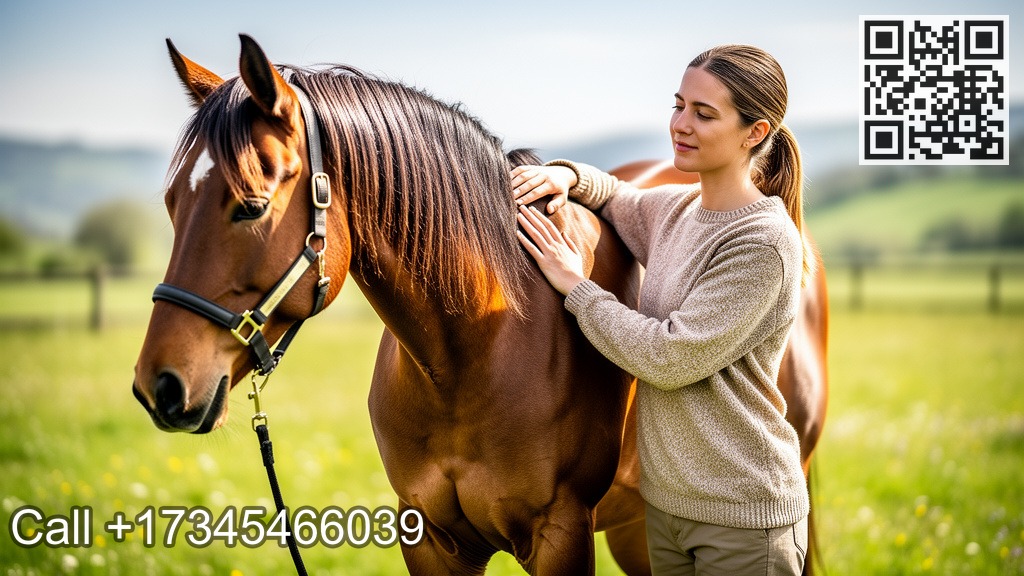
Somatic recovery with horses in winter often fixates touch and micro-movements. A grooming session with a thick dandy brush and towel ends up being a discussion regarding stress, instructions, and period. People who rush without observing really feel the distinction between quick and jarring. We practice co-regulating hands. Someone regreting a loss will certainly inform me in January that the only location they can tolerate being touched was under an equine's neck, fingers buried in the warm location where the winter months coat parts. That is a reputable form of care.
For ADHD equine learning support in wintertime, we lean into framework. Clear starts, centers, and ends help when daylight is short and inside life is long. We might construct three markers right into a session: halter on, finish a basic pattern, end with 5 conscious breaths before returning to the herd. Repeating across weeks turns these right into supports. On days when institution felt like static, the predictability is a balm. The steed benefits as well. Predictable asks are fair.
Equine-facilitated wellness in winter months sometimes indicates confessing that psychological load is heavy and energy is thin. We stabilize interior groundwork, stands, and liberty work at the walk. We track tiny success. A mare who has actually never filled her hind feet on a pedestal actions up with one toe, then one more, and the customer laughs for the first time in weeks. Progress seldom looks like a flick montage. In January, it often appears like a sip of cozy tea, a heap of clean hay, and a clear boundary drawn kindly. Equines recognize that rhythm.
This is also the period when safety and security conversations get extremely actual. Ice indicates we cancel or move emphasis. Cold suggests we look for indications of human and equine pain, and we select tasks that respect joints and lungs. Authorization, once again, involves the front. I have rescheduled more sessions for a mare that tells me with limited lips and an inflexible back that she does not intend to leave her herd on a subfreezing day than I can count. That is not failure; it is modeling.
How sessions really run
Year-round, the bones of good equine-assisted solutions stay consistent also as the muscles transform. Intakes are detailed and joint. We collect histories, sensory accounts, goals, and restraints. We connect with therapists and teachers when appropriate. We match horses to clients based upon character, dimension, and tolerance for novelty.
Most sessions run 45 to 90 minutes. The initial 10 to 15 mins are for arrival and nerve system check-in. A short walk, a grooming ritual, or a moment at the fence can inform us more than a survey. After that we develop toward a couple of concentrated activities aligned with objectives. In healing horsemanship, that may be placing and exercising steering shapes at the walk, with placing block work rated detailed for equilibrium and confidence. In equine-assisted mentoring, it could be a brief series that discloses a management pattern, adhered to by time to explore an alternative technique. We always leave space for metabolizing, which is an expensive word for giving body and minds time to register modification. That might be leaning on a fence rail watching the herd, or it could be a five-minute hand-walk on a loose line to feel what solidity is like.
We action end results without requiring numbers where they do not belong. Some data are concrete: a cyclist who might not keep an independent seat in March currently holds it for a minute at once by November; a client that needed 2 sidewalkers currently requires one. Presence documents show whether we are holding a routine. Security reports tell us concerning fit and well-being. Various other information are narrative however no less real: a moms and dad's note that grocery journeys are much less meltdown-prone since their youngster discovered a stop-breathe-go pattern with a tough pony; a supervisor reporting less accelerations after exercising succinct requests in the arena.
Choosing the appropriate program for the appropriate person
Equine-assisted solutions rest under a large umbrella, and not all offerings fit all demands. Therapeutic horsemanship centers usually offer a mix of riders and ground-based participants. Equine-assisted activities consist of games, barn skills, and herd observation. Equine-facilitated coaching concentrates on leadership and individual growth. Equine-facilitated health often tends to incorporate anxiety decrease and mindfulness. There are likewise clinical versions, like equine-assisted psychotherapy, that should be provided by qualified mental health and wellness experts with equine specialists.
If your objective is electric motor planning or balance, try to find instructors licensed in flexible riding who recognize just how to quality jobs and use steed motion to promote core involvement. If your objective is to discover interaction styles or conflict patterns, look for experts experienced in mentoring that create risk-free experiments instead of lectures. For anxiety support with equines, locate teams that clearly name co-regulation and approval, and that dressmaker sessions to sensory requirements. For Different treatment for sensory obstacles, ask just how the program manages overstimulation and what opt-outs exist. For an autism equine discovering program, ask about visual timetables, interaction supports, and how the barn adapts for nonverbal individuals. An excellent fit really feels tranquility in your body on the scenic tour. You should see horses with soft eyes and choices to state no, and people that value that.
Weathering the sides: contraindications and trade-offs
Not everyone belongs in every equine setting. There are medical and behavioral contraindications that matter. Unrestrained seizures, weak bones, and certain shunt positionings can make installed job harmful. Ground-based choices may still be readily available with suitable assistances. Severe allergies can be managed with masks, antihistamines, or by operating at a range, yet sometimes the barn is merely not feasible, and that is a straightforward response. Aggressiveness towards pets is not a training opportunity in this context; it is a tough quit till a different layer of care is established.
Even when someone is a great candidate, we value sides. A teen with PTSD might discover herd movement triggering in a jampacked area. We can collaborate with a solitary consistent gelding in a smaller area, then later relocate to a lot more intricate environments. A kid that hungers for stress might lean too hard right into a steed's side. We educate different proprioceptive inputs first, like pushing a treatment sphere, after that take another look at equine hugs with clear permission and positioning. Compromises are part of moral practice: a slightly shorter session that upright a great note defeats a lengthy session that overruns the nerve system's capacity.
What seasons ask of personnel and horses
Year-round solution is only lasting with focus to the well-being of both horses and human beings. Horses require pause, differed job, and care that adapts to weather. In high warmth, workload decline and electrolytes increase. In mud season, we look at hooves and adjust turnout to save pasterns. In winter, blanketing and hay methods maintain condition ideal without overheating throughout light work. The most effective programs I have actually seen maintain a herd of various physique and personalities so suits can be thoughtful as opposed to forced.
Staff manage their very own guideline also. Dealing with distressed customers and sensitive animals in variable weather condition is not for people that white-knuckle through discomfort. Our team utilizes fast groundings between sessions, clear radios for interaction, and seasonal debriefs to readjust methods. Exhaustion avoidance is not a high-end. Clients feel it when we are fried, and steeds constantly know.
A couple of sensible tips for checking out in any kind of season
- Wear closed-toe shoes with tread, layers you can peel or include, and gloves in chilly months. Hats that do not flap are best on windy days. Bring water year-round, and in summer season include a salted snack. Hydration assists your body learn. Arrive ten minutes early to take a breath and enjoy the herd. This sets a calmer tone than running in hot. Tell your facilitator about any type of sensory obstacles on the day, even if you have actually shared history. Today is new. Ask what yes and no appear like for the horse you will certainly meet, then practice finding them.
Stories that stick with me
In very early spring, a seven-year-old on the autism range got here wearing noise-canceling earphones and a superhero cape. He had rejected haircuts all winter months. We made the dropping blade a spacecraf tool and asked authorization before every stroke. He lasted 3 minutes the initial week. By the 4th, he groomed for 10, after that agreed to two snips of his own bangs in your home, spaceship scissors authorized. His mother sent out an image. The cut was jagged, and it was perfect.
One summertime night a manager came for equine-facilitated coaching, clenched about a workers decision. We did a leading workout with a mare known for being nobody's fool. The mare planted unless asked easily. He attempted more difficult and got nowhere. He stepped back, breathed out, and asked in 6 silent steps. The mare streamed. He laughed, then cried, and later on that week he held a difficult conversation without bluster. He informed me, I quit trying to drag it across the finish line and welcomed her to walk.
In October, a teen motorcyclist with ADHD, in lessons since April, nailed a serpentine pattern at the stroll with stable, soft hands. The pattern itself was not the headline. It was the way he breathed prior to each change of bend. In math class he began to take a breath in this way prior to word issues. His educator observed less blurts. It was not a miracle. It was technique that transferred.
In January, a widower spent 3 sessions standing with an old gelding in the aisle, one hand on the equine's chest, the various other on his very own. They took a breath. He stated very little. On the 5th week, he whispered, I can feel my feet once more. Then he asked to learn to lead.
Year-round means year-round learning
The gift of a seasonal practice is that it declines to let you fossilize. Spring pushes you to speed. Summer season asks for clarity and remainder. Autumn invites you to fine-tune and call. Wintertime pares things to visibility. When individuals ask what equine-assisted solutions are for, I discuss these cycles as much as I talk about end results. The work does not live just in the objective graph. It stays in the way a kid tolerates a brand-new appearance, a manager chooses a cleaner cue, a family takes a breath with each other at a field gate.
Horses satisfy us where we are, in mud, heat, leaves, or frost. They request for straightforward requests and they offer straightforward replies. If we develop programs that pay attention to them, and to the periods, individuals find their back to their very own timing as well. That is the silent guarantee of year-round equine-facilitated health and training, of therapeutic horsemanship and equine-assisted activities that value the schedule as a teacher. The stories are not cool. They are lived. They smell like hay and leather and rain, and they sound like hoofbeats counting the breath.